Understanding Structural Plywood
author: LEADER WOOD
2026-02-06
Structural plywood is a type of engineered wood product designed primarily for load-bearing and structural applications in construction, packaging, furniture frames, and industrial uses. Unlike decorative plywood, its key focus is on strength, stiffness, and dimensional stability rather than surface appearance.
1. What Is Structural Plywood?
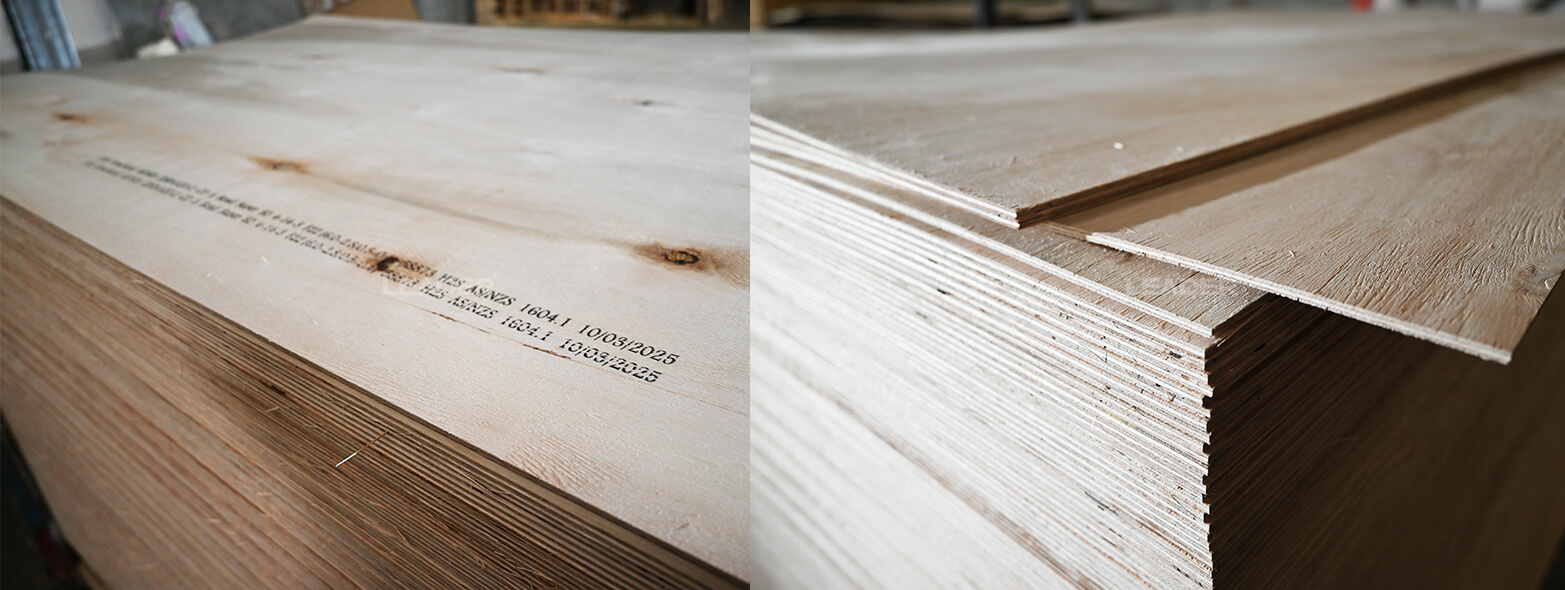
Structural plywood is made by gluing multiple thin wood veneers (plies) together with their grain directions alternating at 90° angles. This cross-laminated structure gives it:
- High strength in both directions
- Resistance to warping, shrinking, and splitting
- Consistent performance under load
It is manufactured to meet formal structural grades and standards (e.g., EN 314, EN 636 in Europe; PS 1‑09, APA in North America; AS/NZS 2269 in Australia).
2. Core Characteristics
- Cross‑laminated construction: Balances strength and stability.
- Structural adhesive: Weather‑ and boil‑proof (WBP) or exterior‑grade glue for durability.
- Grading based on strength: Grades indicate bending strength, stiffness, and bonding quality.
- Species: Typically made from durable hardwoods or softwoods (e.g., pine, birch, eucalyptus, poplar).
- Thicknesses: Commonly 4–28 mm, custom thicknesses available.

3. Common Grades & Standards
European Standard (EN)
- EN 636: Classifies by environmental use:
- EN 636‑1: Interior (dry conditions)
- EN 636‑2: Humid interior / exterior protected
- EN 636‑3: Exterior (fully weather‑exposed)
- EN 314‑2: Bonding quality (class 1, 2, 3 for exterior use)
- Strength classes: e.g., I‑II‑III‑IV (I = highest strength)
North American Standard
- PS 1‑09: Structural plywood grades (e.g., Sheathing, Structural I, Structural II)
- APA Rated Sheathing: Marked with exposure durability (Exposure 1, Exterior)
Australian / New Zealand
- AS/NZS 2269: Structural plywood grades (F8, F11, F14, F17, etc.)
4. Typical Applications
Structural plywood is used where strength and stability are critical:
- Roof, wall, and floor sheathing
- Formwork for concrete
- Beam and column skins
- Packaging for heavy goods
- Furniture frames, cabinet carcases
- Trailer and truck flooring
- Structural components in prefab buildings
5. Advantages
- High structural performance: Stronger and stiffer than many solid woods of the same weight.
- Stable: Less prone to warping, twisting, or cupping.
- Cost‑effective: Efficient use of wood resources.
- Versatile: Works well with screws, nails, and bolts.
- Available in large sheets: Easier installation and fewer joints.
6. Limitations
- Surface quality: Not intended for visible finish; may require sanding or covering.
- Edge durability: Edges can absorb moisture unless sealed.
- Weight: Heavier than some composite boards (e.g., OSB).
7. How It Differs from Other Plywood
| Feature | Structural Plywood | Decorative Plywood |
|---|---|---|
| Main purpose | Load‑bearing, strength | Appearance, finishing |
| Adhesive | Exterior/WBP grade | Interior or exterior |
| Face veneer | Functional, may have knots | Clean, smooth, decorative |
| Grading | Strength‑based | Appearance‑based |
8. Selection Tips
- Choose grade based on exposure (interior, humid, exterior).
- Match strength class to design loads (consult engineer if needed).
- Ensure bonding class matches environmental conditions.
- Check thickness tolerance and panel dimensions for your project
Plywood Guide
Common Issues with Plywood
Frequently Asked Questions
How to Select AS 6669-Compliant Formply-A Professional Procurement Guide
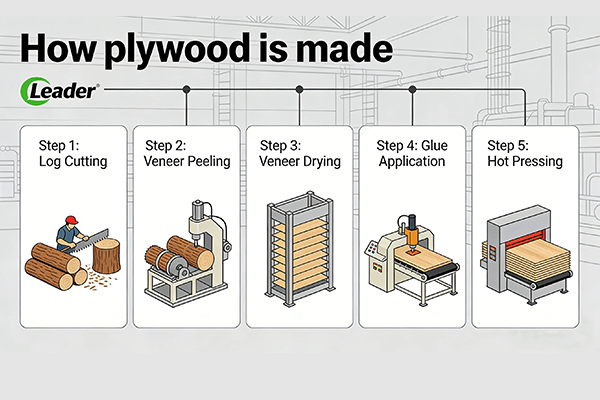
How plywood is made
Related Article


Discover how Leader provides high-quality engineered wood products and construction products for buildings, furniture manufacturing, and global building material distribution.
Leader: Your Trusted Partner for Engineered Wood Products and Construction Products