Construction Site Material Selection Guide
author: Luju Leader Wood
2025-08-14
Selecting the right building panels can make or break a construction project. The wrong choice might lead to delays, increased costs, or even safety risks—while the right material ensures durability, efficiency, and long-term performance.
With so many options available—from film faced plywood to LVL, OSB, and MDF—how do you decide which panel fits your specific needs? This guide breaks down the most common construction scenarios and helps you pick the perfect material for each.
1. Concrete Formwork: Prioritize Reusability and Smooth Finishes
When it comes to shaping concrete walls, columns, or slabs, the formwork material directly impacts the final result. Here’s what to consider:
- Best Choice: Film Faced Plywood
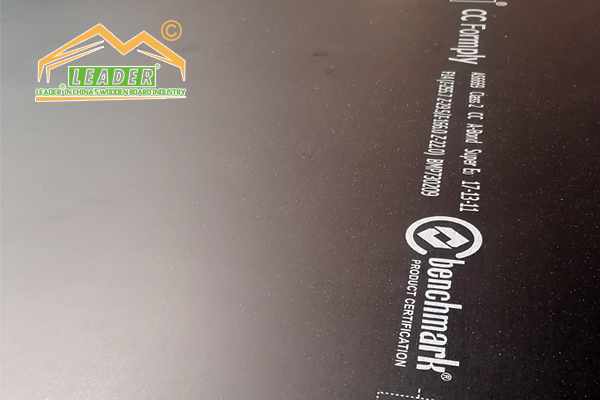
Its phenolic or melamine coating creates a smooth surface, leaving concrete with a polished finish that reduces post-construction work. It’s water-resistant, so it won’t warp when in contact with wet concrete, and high-quality versions can be reused 15–25 times—saving costs on large projects.
Ideal for: High-rises, bridges, and commercial buildings where concrete aesthetics matter.

- Alternative: OSB (Oriented Strand Board)
A more budget-friendly option, but with lower reusability (typically 5–8 uses). Best for temporary structures or projects where concrete finish isn’t a top priority.
Key Selection Tips:
- Check the film thickness (0.3–0.6mm is standard for heavy-duty use).
- Opt for FSC-certified panels to meet sustainability requirements in regions like Europe.
2. Structural Framing: Strength and Load-Bearing Capacity
For beams, joists, and load-bearing walls, structural integrity is non-negotiable. The right panel must withstand heavy weights and resist warping.

- Best Choice: LVL (Laminated Veneer Lumber)
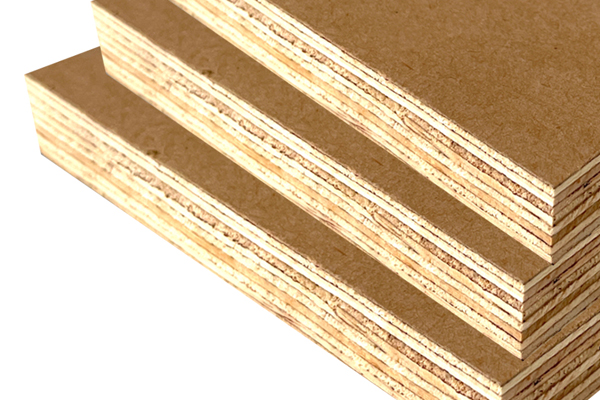
Made by bonding thin wood veneers with waterproof adhesives, LVL offers consistent strength (no knots or defects like natural wood) and can support heavy loads. It’s also dimensionally stable, making it perfect for long spans in floors or roofs.
Ideal for: Residential and commercial framing, especially in areas prone to humidity.
- Alternative: I-Joists
Combining LVL flanges with OSB webs, I-joists are lightweight yet strong, reducing labor costs during installation. They’re great for spanning large distances without intermediate supports.
Key Selection Tips:
- Look for LVL with a bending strength of ≥12,000 psi (pounds per square inch) for structural use.
- Ensure compliance with local codes (e.g., ASTM D5456 in the US, EN 14374 in the EU).

3. Flooring and Subflooring: Durability and Moisture Resistance
Flooring materials need to handle foot traffic, heavy equipment, and occasional spills—all while maintaining a flat surface.
- Best Choice: Plywood (Exterior Grade)
Exterior plywood (bonded with waterproof glue) resists moisture from spills or subfloor leaks. Its cross-laminated structure prevents warping, ensuring a stable base for finished flooring (like tiles or hardwood).
Ideal for: Basements, kitchens, and high-traffic areas in commercial buildings.
- Alternative: CDX Plywood
A cost-effective option for subflooring in dry, indoor spaces. Note that it’s not suitable for areas with high moisture.
Key Selection Tips:
- Choose a thickness of 19mm (3/4 inch) or more for heavy equipment areas (e.g., warehouses).
- Check for a formaldehyde emission rating of ≤0.05 ppm (CARB Phase 2 compliant) for indoor use.
4. Temporary Structures: Portability and Cost-Efficiency
Site offices, storage sheds, or temporary barriers need panels that are easy to transport, install, and disassemble.
- Best Choice: OSB (Oriented Strand Board)
OSB is lightweight, affordable, and strong enough for short-term use. It’s also easy to cut and fasten, speeding up construction of temporary structures.
Ideal for: Construction site offices, job site enclosures, or temporary storage units.
- Alternative: Three-Ply Construction Plywood
Thinner and lighter than multi-ply options, three-ply plywood offers better moisture resistance than OSB, making it a good pick for temporary outdoor structures.
Key Selection Tips:
- Prioritize panels with a smooth surface to simplify painting or branding (e.g., adding your company logo to site barriers).
- Opt for pre-cut sizes to reduce on-site labor time.
5. Wet Environments: Water Resistance Above All
Bathrooms, basements, or outdoor structures (like pool decks) demand panels that can withstand constant moisture without deteriorating.
- Best Choice: Film Faced Plywood (Phenolic Coated)
The phenolic film creates a waterproof barrier, making it suitable for areas with standing water or high humidity. It’s also resistant to mold and mildew.
Ideal for: Shower enclosures, pool surrounds, or outdoor patios.
- Alternative: Marine Plywood
Designed for boat building, marine plywood is highly water-resistant but comes at a higher cost. Use it when extreme durability is required (e.g., coastal construction).
Key Selection Tips:
- Ensure the panel’s adhesive is phenol-formaldehyde (PF) based, not urea-formaldehyde (UF), for maximum water resistance.
- Check for a water absorption rate of ≤15% (tested per ASTM D1037 standards).
How to Avoid Common Selection Mistakes
- Don’t sacrifice quality for price: A cheaper panel might fail early, leading to rework costs. For example, using interior plywood in exterior formwork will result in warping after the first rain.
- Consider local climate: Humid regions (e.g., Southeast Asia) require higher moisture resistance, while cold climates (e.g., Northern Europe) need panels that can withstand freezing temperatures.
- Check certifications: Always verify that panels meet local standards (e.g., CE for Europe, SAA for Australia) to avoid customs delays or project penalties.
Get Your Free Material Selection Checklist
Not sure which panel is right for your project? Download our Construction Panel Selection Checklist—it includes:
- A quick-reference table for 10+ common scenarios
- Key technical specs to verify with suppliers
- Tips for comparing quotes and avoiding hidden costs
Email us at info@linyiluju.com with the subject “Checklist Request,” and we'll send it straight to your inbox. For personalized advice, share your project details with our team via WhatsApp +8613792979936 —we're happy to recommend the best materials for your needs!
Film Faced Plywood-The Ultimate Guide for Construction Projects
Related Article

In this guide, we'll break down everything you need to know about film faced plywood: its composition, key benefits, common applications, and how to select the right type for your needs.
Film Faced Plywood-The Ultimate Guide for Construction Projects
Both MCA (Micronized Copper Azole) and CA (Copper Azole) are modern wood preservative technologies used to extend the service life of wood in outdoor or humid environments.
Differences Between MCA and CA Wood Preservatives