Film Faced Plywood-The Ultimate Guide for Construction Projects
author: Luju Leader Wood
2025-08-13
- What is Film Faced Plywood?
- 5 Key Benefits of Film Faced Plywood
- Common Applications: Where to Use Film Faced Plywood
- How to Choose the Right Film Faced Plywood
- Ready to Source High-Quality Film Faced Plywood?
If you've ever walked through a construction site, you've likely seen stacks of plywood with a smooth, glossy surface—often brown, black, or even colorful. That’s film faced plywood, a workhorse material trusted by builders worldwide for its durability and versatility. But what exactly makes it different from regular plywood? And when should you choose it for your project?
What is Film Faced Plywood?
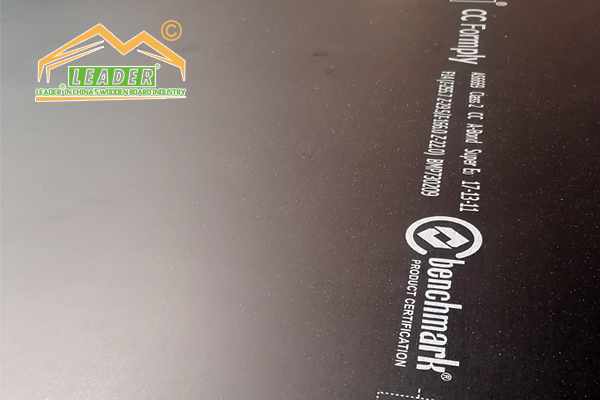
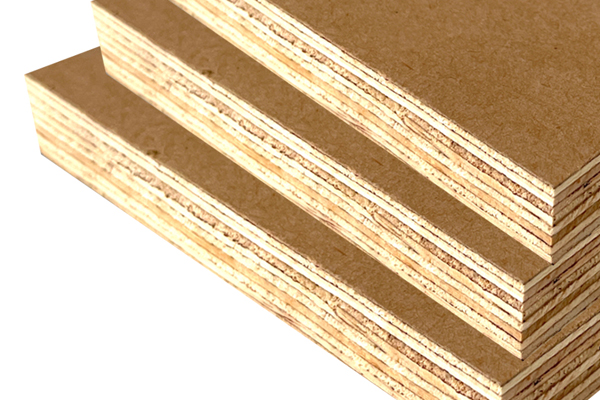
Film faced plywood (also called shuttering plywood or concrete formwork plywood) is a specialized engineered wood product designed for heavy-duty construction use. It consists of:
- A core of high-quality plywood, typically made from hardwood (like poplar or birch) or softwood veneers, bonded together with water-resistant adhesives.
- A thin overlay (film) bonded to both surfaces. This film is usually made from phenolic resin, melamine, or epoxy—materials chosen for their strength, water resistance, and smooth finish.
- A thin overlay (film) bonded to both surfaces. This film is usually made from phenolic resin, melamine, or epoxy—materials chosen for their strength, water resistance, and smooth finish.
The result? A panel that combines the structural stability of plywood with a protective layer that can withstand harsh construction environments.

5 Key Benefits of Film Faced Plywood
Why do contractors and builders prefer film faced plywood over regular plywood or other materials? Here are its standout advantages:
1. Exceptional Water Resistance
The phenolic or melamine film acts as a barrier against moisture—critical for concrete formwork, where panels come into contact with wet concrete and rain. Unlike regular plywood, which can warp or delaminate when wet, film faced plywood retains its shape even after repeated exposure to water.
The phenolic or melamine film acts as a barrier against moisture—critical for concrete formwork, where panels come into contact with wet concrete and rain. Unlike regular plywood, which can warp or delaminate when wet, film faced plywood retains its shape even after repeated exposure to water.
2. Reusable & Cost-Effective
A high-quality film faced plywood panel can be reused 15–25 times (or more, with proper care) for concrete formwork. This reusability lowers long-term costs compared to single-use materials like timber or non-reusable formwork.
A high-quality film faced plywood panel can be reused 15–25 times (or more, with proper care) for concrete formwork. This reusability lowers long-term costs compared to single-use materials like timber or non-reusable formwork.
3. Smooth Finish for Concrete Surfaces
The glossy film creates a smooth, non-porous surface. When used as formwork, it leaves concrete with a polished finish—reducing the need for post-construction grinding or plastering.
The glossy film creates a smooth, non-porous surface. When used as formwork, it leaves concrete with a polished finish—reducing the need for post-construction grinding or plastering.
4. High Impact & Wear Resistance
The film layer protects the plywood core from scratches, dents, and abrasion caused by tools, heavy loads, or rough handling on job sites. This durability ensures consistent performance throughout a project’s timeline.
The film layer protects the plywood core from scratches, dents, and abrasion caused by tools, heavy loads, or rough handling on job sites. This durability ensures consistent performance throughout a project’s timeline.
5. Compliance with International Standards
Reputable film faced plywood manufacturers (like ours) produce panels that meet global certifications, including:
- CE (Conformité Européenne) for European markets
- FSC® (Forest Stewardship Council) for sustainable sourcing
- ASTM D1037 for structural performance
- CARB Phase 2 for low formaldehyde emissions (critical for projects in the US)
Reputable film faced plywood manufacturers (like ours) produce panels that meet global certifications, including:
- CE (Conformité Européenne) for European markets
- FSC® (Forest Stewardship Council) for sustainable sourcing
- ASTM D1037 for structural performance
- CARB Phase 2 for low formaldehyde emissions (critical for projects in the US)

Common Applications: Where to Use Film Faced Plywood
While it’s most famous for concrete formwork, film faced plywood’s versatility makes it useful across multiple construction scenarios:
- Concrete Formwork: The #1 use—ideal for walls, columns, beams, and slabs. Its smooth surface ensures clean concrete finishes.
- Flooring Systems: Temporary or permanent flooring in construction sites, warehouses, or industrial facilities (thanks to its impact resistance).
- Packaging & Transportation: Heavy-duty crates and shipping pallets for machinery or goods that require moisture protection.
- Marine & Wet Environments: Boat docks, piers, or outdoor structures exposed to rain, snow, or humidity.
How to Choose the Right Film Faced Plywood
Not all film faced plywood is created equal. Here’s what to look for when selecting panels for your project:
- Film Type: Phenolic film is best for heavy-duty, high-moisture applications (e.g., concrete formwork). Melamine film works well for lighter use with lower moisture exposure.
- Core Quality: Hardwood cores (birch, poplar) offer higher strength and durability than softwood cores—worth investing in for large-scale projects.
- Thickness: Panels range from 12mm to 21mm. Thicker panels (18–21mm) are better for heavy concrete loads.
- Reusability Rating: Ask your supplier for the expected reuse count. Our premium panels are rated for 20+ uses with proper maintenance.
- Certifications: Ensure compliance with your target market's standards (e.g., CE for Europe, ASTM for North America).
- Core Quality: Hardwood cores (birch, poplar) offer higher strength and durability than softwood cores—worth investing in for large-scale projects.
- Thickness: Panels range from 12mm to 21mm. Thicker panels (18–21mm) are better for heavy concrete loads.
- Reusability Rating: Ask your supplier for the expected reuse count. Our premium panels are rated for 20+ uses with proper maintenance.
- Certifications: Ensure compliance with your target market's standards (e.g., CE for Europe, ASTM for North America).
Ready to Source High-Quality Film Faced Plywood?
At Luju Leader Wood, we've supplied film faced plywood to construction projects across 30+ countries, from high-rise buildings in Dubai to infrastructure projects in Southeast Asia. Our panels are:
- Made with FSC®-certified wood and eco-friendly adhesives
- Tested to withstand extreme temperatures (-20°C to 60°C) and heavy loads
- Luju Leader Wood has launched 1A to 10A grade film faced plywood, targeting different customers' quality requirements, subdividing product quality and reducing costs for customers.
- Tested to withstand extreme temperatures (-20°C to 60°C) and heavy loads
- Luju Leader Wood has launched 1A to 10A grade film faced plywood, targeting different customers' quality requirements, subdividing product quality and reducing costs for customers.
Get a free sample to test our film faced plywood's quality, or download our technical datasheet for detailed specifications. Contact our team today to discuss your project's needs—we offer custom sizes and flexible MOQs (minimum order quantities) for bulk orders.Email: info@linyiluju.com I WhatsApp:+8613792979936
Construction Site Material Selection Guide
Differences Between MCA and CA Wood Preservatives
Related Article

Both MCA (Micronized Copper Azole) and CA (Copper Azole) are modern wood preservative technologies used to extend the service life of wood in outdoor or humid environments.
Differences Between MCA and CA Wood Preservatives