Differences Between MCA and CA Wood Preservatives
Form of Copper:
-
MCA: Stands for Micronized Copper Azole. Copper (typically copper oxide or basic copper carbonate) is ground into submicron-sized particles suspended in a solvent (usually water). The copper particles do not dissolve in water.
-
CA: Stands for Copper Azole. Copper (typically basic copper carbonate or copper oxide) is dissolved in an organic solvent carrier (usually ethanolamine), forming a copper-amine complex solution. Here, copper is in a dissolved state.
Carrier/Solvent System:
- MCA: Primarily uses water as the carrier. Micronized copper particles and azole biocides (e.g., tebuconazole) are suspended in water.
- CA: Uses a copper-amine complex solution (with ethanolamine as the primary solvent and complexing agent). Water is part of the formulation, but copper remains in a dissolved complex.
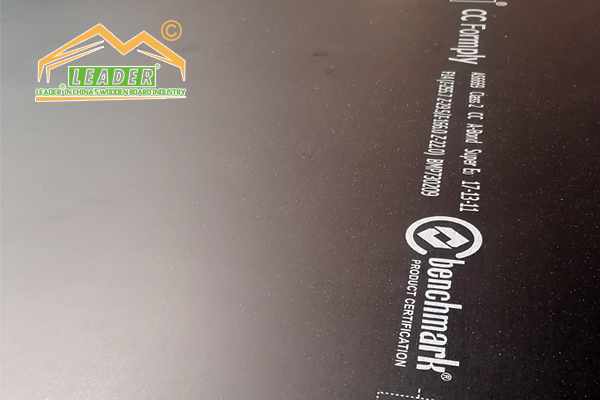
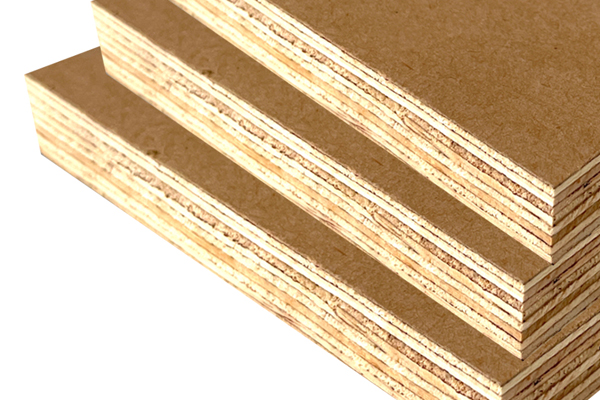
- CA treated plywood H3.2 treated
Key Properties & Comparison
| Property | MCA (Micronized Copper Azole) | CA (Solvent-Based Copper Azole) |
|---|---|---|
| Copper Form | Micronized particles (non-dissolved) | Dissolved copper-amine complex |
| Primary Carrier | Water | Copper-ethanolamine complex + water |
| Leach Resistance | Superior (slow, controlled copper release) | Good, but initially lower than MCA |
| Metal Corrosiveness | Low (standard galvanized/stainless fasteners) | High (requires hot-dip galvanized/stainless) |
| Treated Wood Color | Light green/brown | Dark green |
| Solvent System | Ethanolamine-free | Contains ethanolamine |
| Environmental Profile | Arsenic/chromium-free; no ethanolamine | Arsenic/chromium-free; ethanolamine (biodegradable) |
| Common Types | MCA-C (Type C) | CA-B (CBA-A), CA-C |
Expanded Characteristics
-
Leach Resistance:
-
MCA’s micronized copper dissolves slowly when exposed to acids (e.g., from decaying wood or soil), offering longer protection in ground-contact applications.
-
CA’s dissolved copper may leach more readily initially before fully fixing to the wood.
-
-
Metal Corrosiveness:
-
MCA’s ethanolamine-free formulation minimizes corrosion, allowing standard fasteners.
-
CA’s ethanolamine increases corrosiveness, requiring specialized fasteners.
-
-
Environmental Impact:
-
Both are eco-friendly alternatives to toxic CCA (chromated copper arsenate).
-
MCA is often viewed as "greener" due to its water-based system and absence of ethanolamine.
-
-
Color:
-
MCA: Light green/brown (varies by wood species).
-
CA: Distinct dark green.
-
-
Performance:
-
Both provide deep penetration and meet industry standards when pressure-treated.
-
MCA is increasingly preferred for high-leach-risk applications and due to lower fastener costs.
-
Conclusion
MCA and CA are effective, arsenic-free wood preservatives suitable for decks, fencing, landscaping, and structural lumber.
-
Choose MCA for superior leach resistance (especially in ground contact) and compatibility with standard fasteners.
-
Choose CA for proven performance and darker color, but use corrosion-resistant fasteners.
Note: MCA is gaining market dominance due to its performance and lower corrosiveness. Always verify preservative type and compliance (e.g., AWPA standards) when purchasing.
Film Faced Plywood-The Ultimate Guide for Construction Projects
Excellence in Concrete Formwork and Construction
Related Article